| Last week’s announcement of higher overwintering monarch numbers in Mexico was welcome news! We know what monarchs need to recover: more pesticide-free, native milkweeds and nectar flowers along their migratory route, and protected overwintering sites. We need everyone across the U.S., Mexico and southern Canada to create that habitat in yards, communities and rural lands. If we act now, monarchs can recover! |
|
Eastern Monarch Butterfly Numbers Increase, but Remain Below Historic Levels
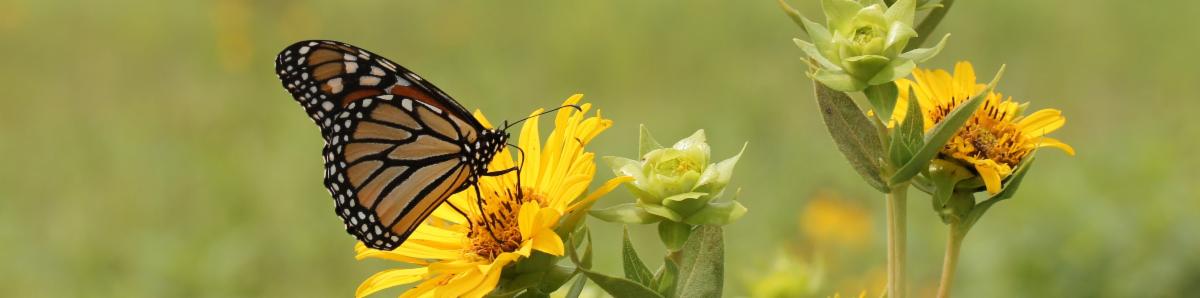
The amount of overwintering habitat occupied by monarch butterflies in central Mexico increased 64% from last year, according to the annual census released last week by World Wildlife Fund-Mexico and partners. The butterflies were found covering an area of 7.24 acres, which means the eastern monarch population that migrates between Canada and Mexico each year showed an improvement from last winter’s area of 4.42 acres.
Learn More |
|
|
|
The Incredible Journey of Monarch XSTI009
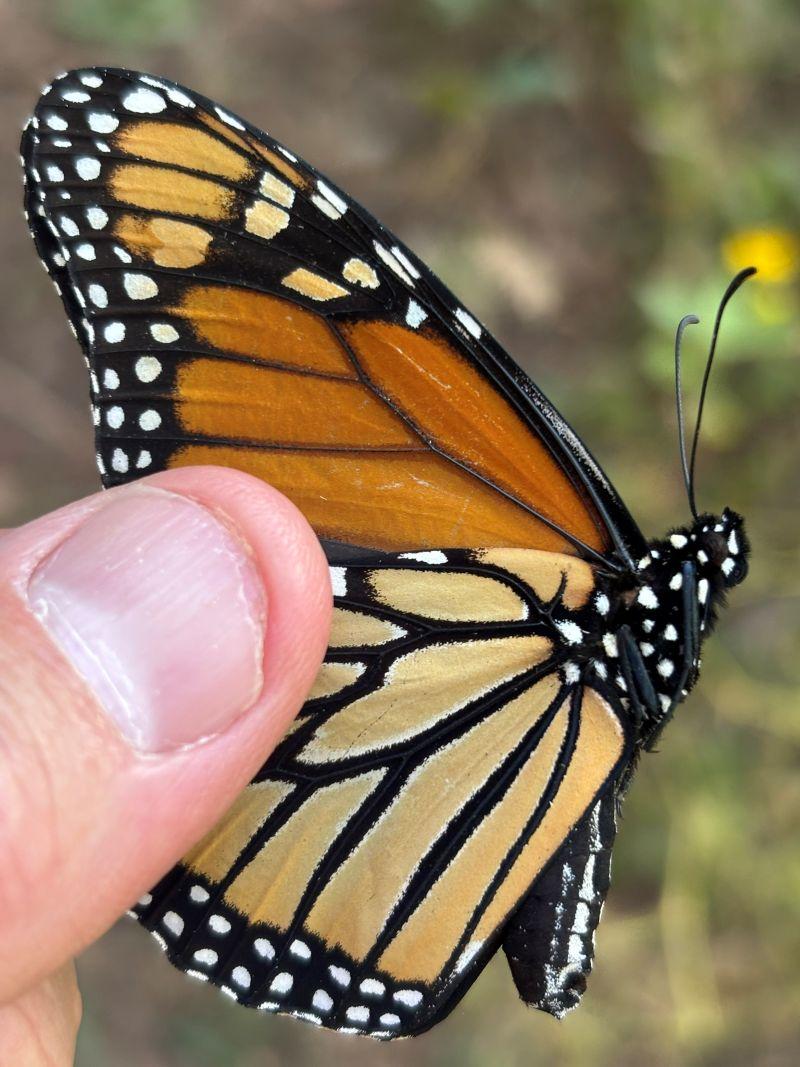
In fall 2025, approximately 470 monarchs in the eastern U.S. were deployed with ultralight transmitters. Of those that made it to Mexico and spent the winter there, female monarch XSTI009 (where the X stands for Xerces) appears to be the first to make it back to the United States, flying an incredible 320 miles in just one day. Learn more about her incredible journey!
Learn More |
|
Your Guide to PFAS Pesticides: Simple Steps To Protect People and Pollinators
They are in our bodies, our ecosystems, and yes, even pesticides. It seems that PFAS are everywhere. Read on for expert answers to your questions about these “forever chemicals”, their impacts on people and pollinators, and steps everyone can take to protect themselves and our wild invertebrate neighbors.
Learn more |
|
Wallace Ward of Houston, Texas: Preserving Invertebrate Biodiversity Past and Present
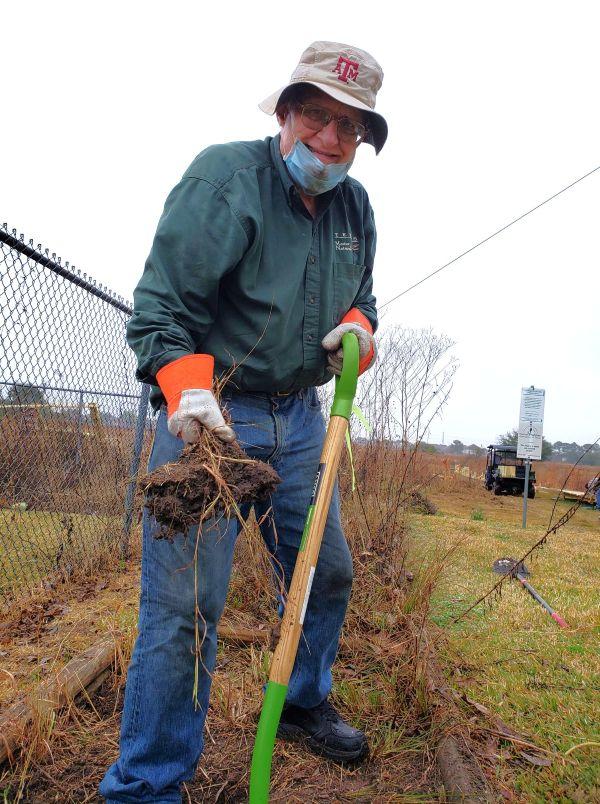
Wallace Ward, of Houston, Texas, is a longtime Xerces member with a love for moths, butterflies and pollinators. Wallace’s effort to protect today’s invertebrates is informed by his fascination with collecting fossilized invertebrate species, some of which are now extinct.
Learn more |
|
|
Job Postings
We’re hiring! Feel free to take a look and share with your network. All applications must be submitted through our online application portal.
- Pollinator Conservation Specialist, NRCS Partner Biologist, Urban Farms and Small-Scale Operations, application deadline March 26, 2026
- Freshwater Mussel Technician, application deadline March 31, 2026
Learn more |
|
| The Xerces Society is a donor-supported nonprofit organization that protects our world through the conservation of invertebrates and their habitats.
Your tax-deductible donation will help grow and sustain that essential work. |
|
|
|
|
| Donation and membership questions:
membership
855-232-6639 (option 2) |
|
|
|
|





 North Carolina Small Farm Association