| Approximately 60% of all grasslands in the United States have been lost since European settlement, making our native grasslands one of the most endangered ecosystems in the world. Many of the remaining grasslands are grazed by livestock. Fortunately, the native wildflowers and shrubs that are critical for pollinators and other wildlife are often also a nutritious meal for livestock! Supporting these rangeland plants can be a win-win for people and the planet. |
|
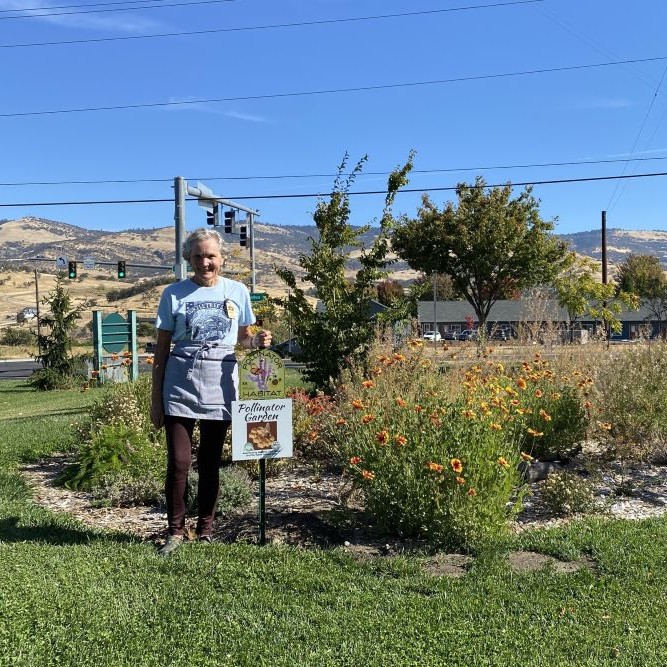
Partner Spotlight: Cultivating Community and Pollinator Habitat in Talent, Oregon
In Talent, Oregon, pollinator conservation is a community-driven effort. Through ongoing outreach, hands-on projects, and local leadership, the residents of Talent have created a model for what grassroots conservation can look like when it’s rooted in place, people, and purpose.
Learn more |
|
|
|
|
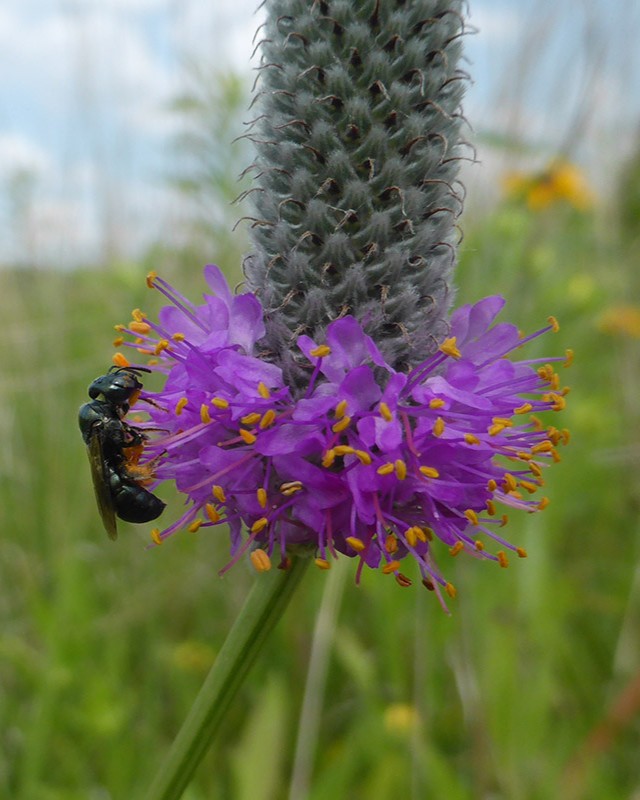
A Feast for All: Rangeland Wildflowers Feed Livestock and Pollinators
There is a lot more to the Great Plains (and livestock diets) than just grass! Meet some of the native wildflowers that benefit everyone “out on the range” on our blog and in our new Rangeland Wildflower guide.
Learn more |
|
Allen Family Philanthropies Awards Grant to Xerces Society for Forest Bee Research
Allen Family Philanthropies (AFP) has awarded a 5-year grant to the Xerces Society to conduct research on the conservation needs of native bees that live in Northeastern forests. Currently, most pollinator conservation focuses on open fields and meadows, but forests—covering 80% of the region—are home to two-thirds of the Northeast’s bee species.
Learn more |
|
| The Xerces Society is a donor-supported nonprofit organization that protects our world through the conservation of invertebrates and their habitats.
Your tax-deductible donation will help grow and sustain that essential work. |
|
|
|
|
| Donation and membership questions:
membership
855-232-6639 (option 2) |
|
|
|
|





 North Carolina Small Farm Association