Without invertebrates, we lose birds
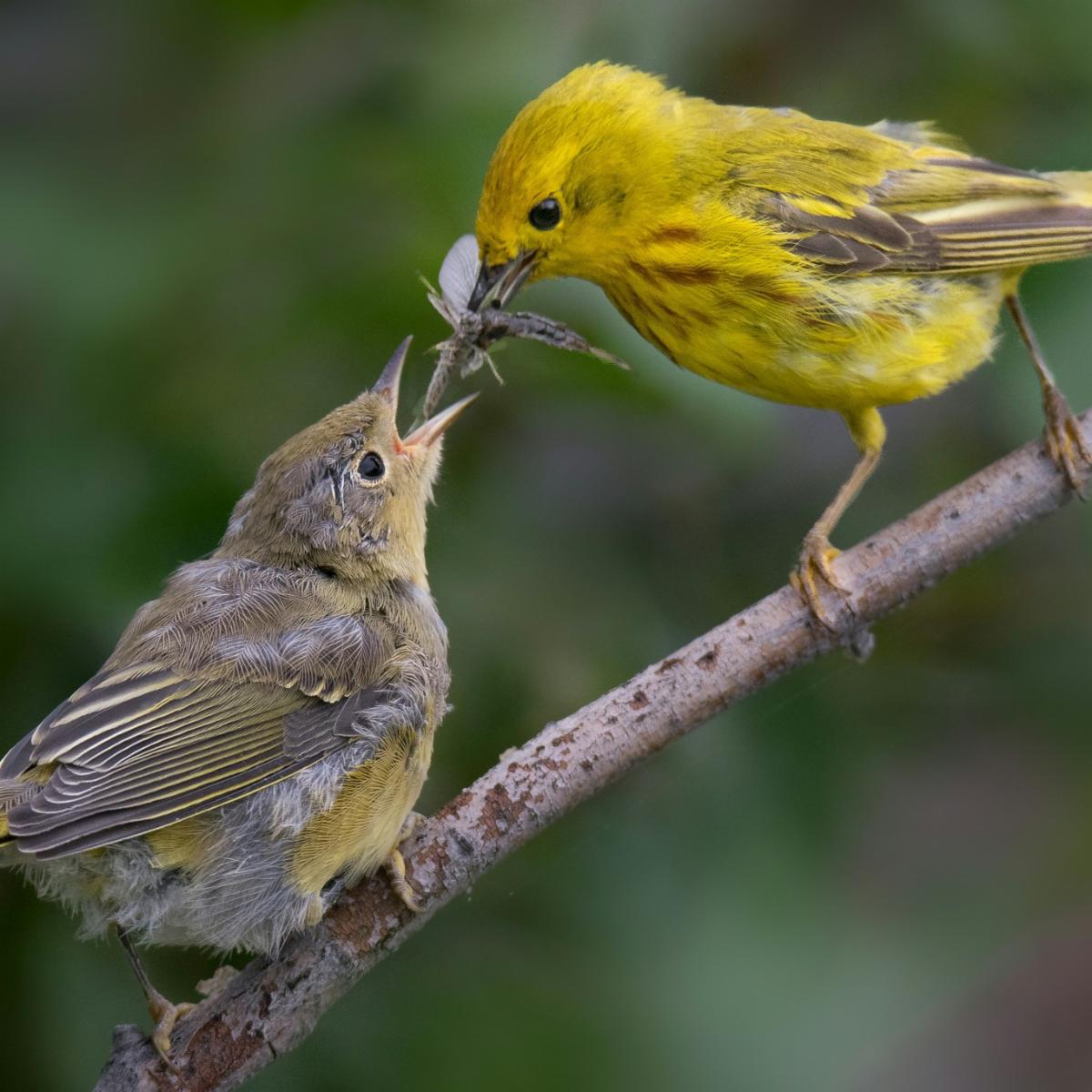
In the past 50 years, bird populations in North America have dropped by over 3 billion individuals. 89% of bird species are dependent upon insects as food during at least part of their lives. For many, this is just when they are chicks and the easily digested and energy-rich nutrition of insect prey helps them to grow quickly. For those birds that eat seeds or fruits as adults, very often those seeds and fruit are pollinated by tiny insects. |
|
|
Without invertebrates, we lose fish and mammals
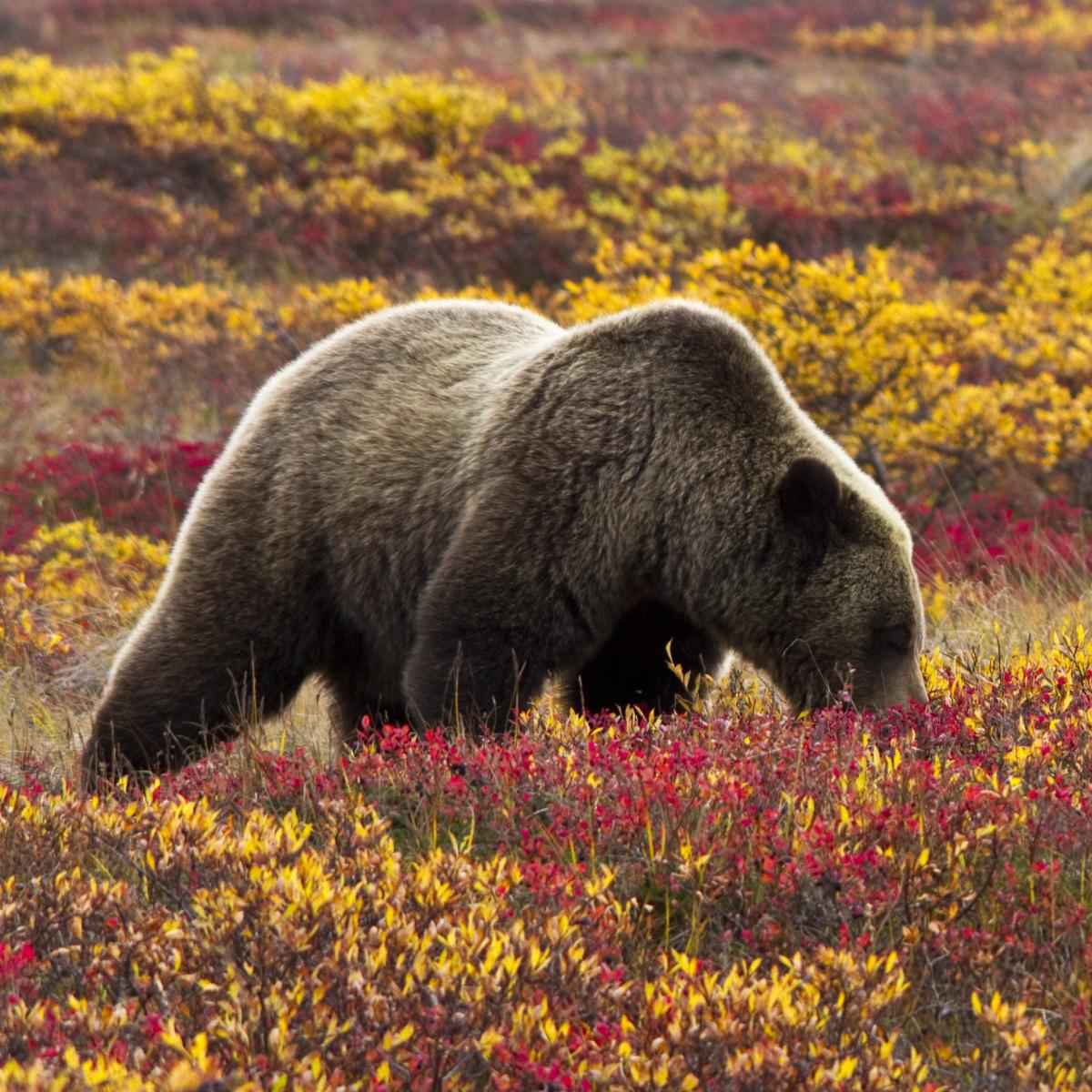
Insects are also food for a wide variety of fish. Large and smallmouth bass, minnows, shad, alewife and so many more fish all eat insects, then serve as prey for musky and pike in turn. Migrating salmon need insects to fuel their trip to the sea, returning many years later to feed bears, birds and other animals. Those same bears who gorge on salmon runs depend upon berries and other insect-pollinated fruits to fatten themselves during the summer. |
|
|
Without invertebrates, we lose nutritious food
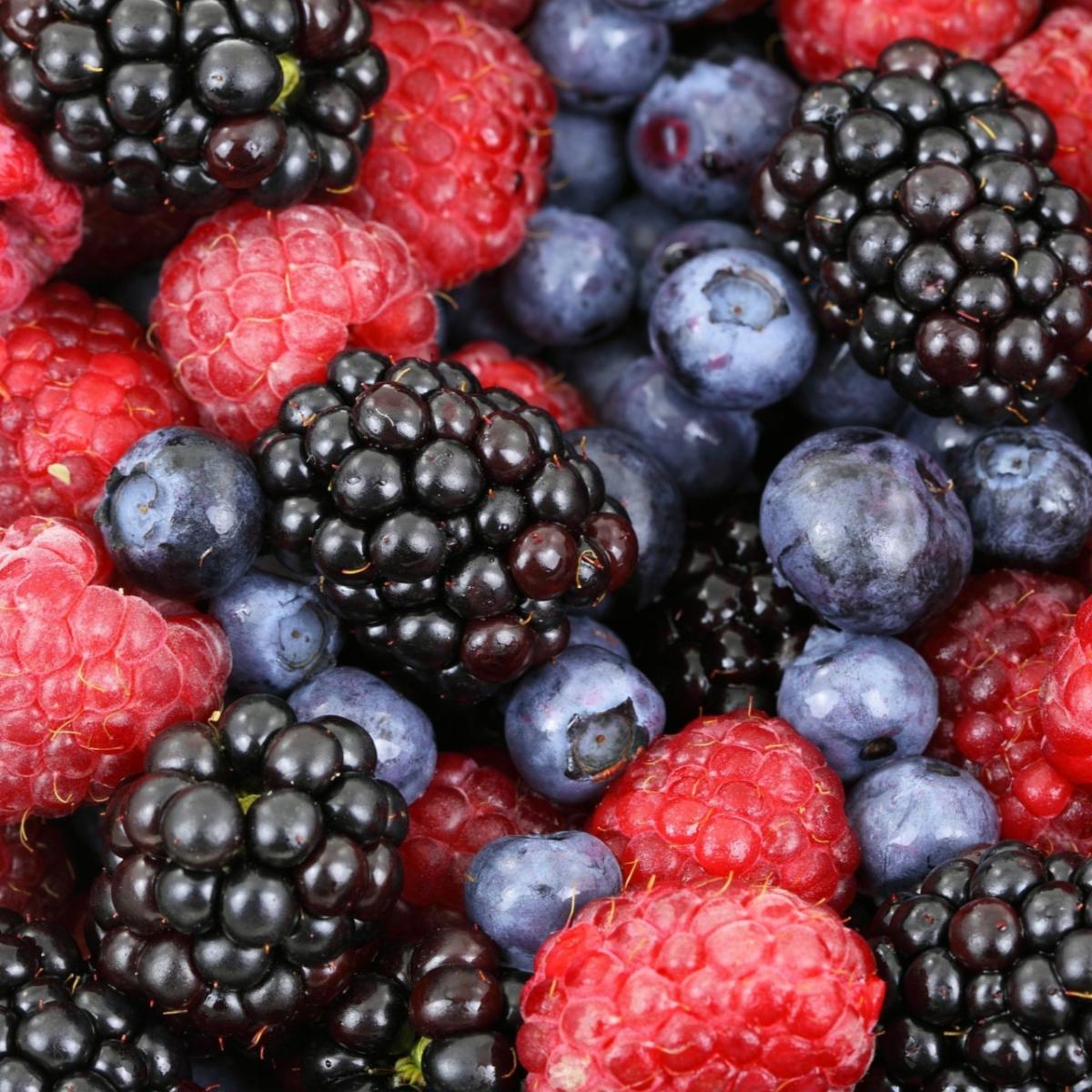
Human nutrition is reliant upon insects. They pollinate fruits and vegetables like squash, cucumber, apples and cherries, not to mention carrots, onions, and greens grown from insect-pollinated seed. Should insects disappear, we’d still have calories from wind-pollinated wheat, rice, and corn; however, our vitamins and minerals – key nutrition – would be lacking. |
|
|
| The Xerces Society is a donor-supported nonprofit organization that protects our world through the conservation of invertebrates and their habitats.
Your tax-deductible donation will help grow and sustain that essential work. |
|
|
|
|
| Donation and membership questions:
membership
855-232-6639 (option 2) |
|
|
|
|





 North Carolina Small Farm Association