| Opportunities abound in cities, towns, and campuses to support bees, butterflies, and other wildlife. Many outdoor spaces—from parks and school grounds to roadsides and business campuses—can provide valuable pollinator habitat. Along with new habitat, pollinators need protection from pesticides. Thoughtful pest management efforts work to reduce pesticide use, keeping pollinators, children, and water quality safer. |
|
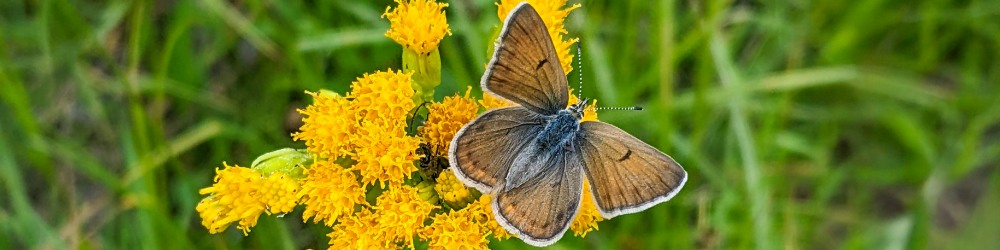
Study Finds Pesticide Residue Widespread on Urban Butterfly Plants
A new study published in Environmental Toxicology and Chemistry found nearly ubiquitous pesticide contamination on butterfly host plants across two U.S. cities, Albuquerque, New Mexico, and Sacramento, California. In 20% of the plants tested, pesticide residues were at levels known to kill or otherwise harm butterflies and moths.
Learn more |
|
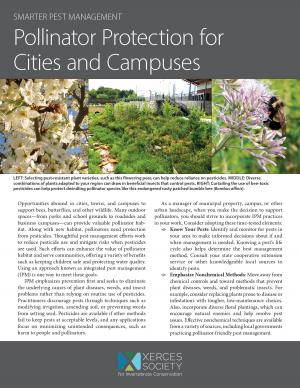
Smarter Pest Management: Pollinator Protection for Cities and Campuses
From the Xerces publications library, this fact sheet shares tips and resources for protecting pollinators in urban spaces and developing an integrated pest management approach.
Learn more |
|
|
|
|
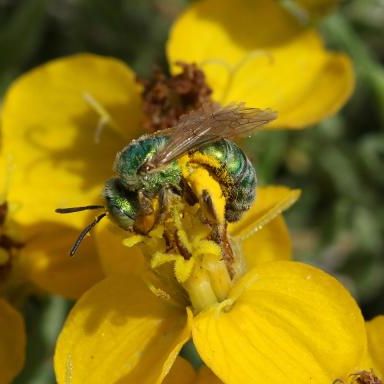
Bitter Nectar, Toxic Pollen: Pollinators and Plant Chemicals
Bug Banter takes a deeper dive into plant chemistry to better understand the relationship between pollinators and their floral resources.
Listen to Bug Banter |
|
|
| The Xerces Society is a donor-supported nonprofit organization that protects our world through the conservation of invertebrates and their habitats.
Your tax-deductible donation will help grow and sustain that essential work. |
|
|
|
|
| Donation and membership questions:
membership
855-232-6639 (option 2) |
|
|
|
|






 North Carolina Small Farm Association