| Healthy bugs need healthy homes. That includes protection from pesticides, which rarely harm only the intended target species and can disrupt entire ecosystems. At the Xerces Society, all of our conservation efforts address the risks of pesticides, whether we are working with a home gardener, a state wildlife agency, or a farmer. |
|
Court Orders Less Reliance on Pesticide Spraying on Millions of Acres of Western Rangelands
A federal judge in Oregon has confirmed the Animal and Plant Health Inspection Service (APHIS) has a legal duty to consider preventative measures — rather than a “spray first, ask questions later” approach — in its program allowing insecticide spraying to kill native grasshoppers and crickets on millions of acres in 17 western states.
Learn more |
|
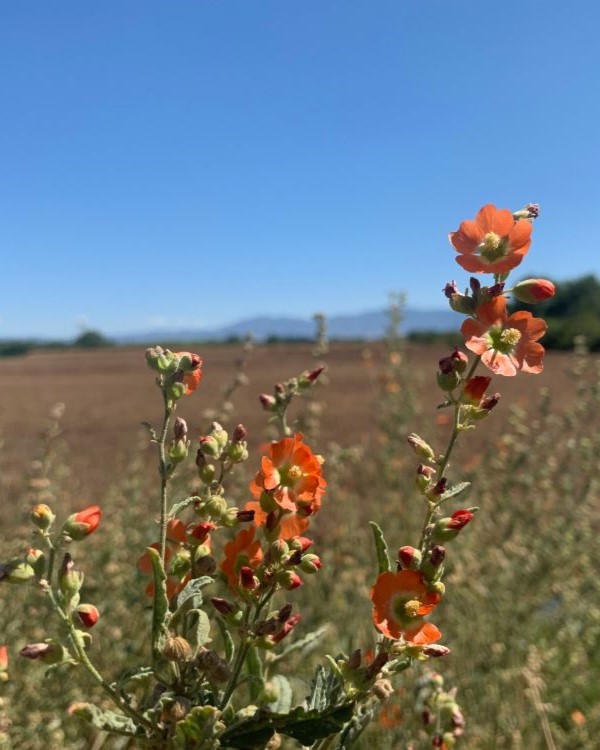
Best plants for western butterfly and moth caterpillars
Most butterfly species feed on only one or a few different types of plants as they grow and develop. These five groups of plants are habitat hotspots for multiple species of caterpillars in the western U.S.
Learn more |
|
|
|
|
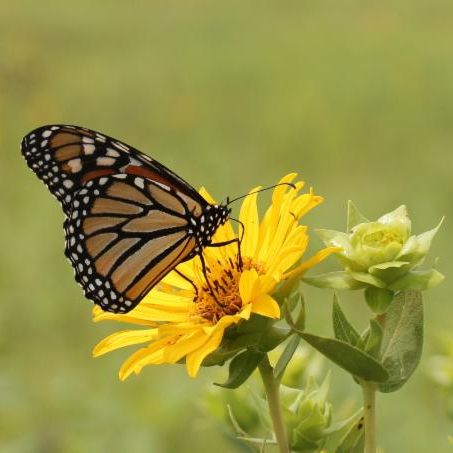
Monarchs & Pesticides: Understanding the Impact, Exploring the Solutions
Are pesticides a particular concern for monarch butterflies? This episode explores what happens when there is pesticide contamination to their habitat, and how to keep it pesticide-free.
Listen to Bug Banter |
|
|
| The Xerces Society is a donor-supported nonprofit organization that protects our world through the conservation of invertebrates and their habitats.
Your tax-deductible donation will help grow and sustain that essential work. |
|
|
|
|
| Donation and membership questions:
membership
855-232-6639 (option 2) |
|
|
|
|







 North Carolina Small Farm Association