Just a few more days of the field season!

This is the last weekend to conduct surveys!
Small , we’re in the final survey week, and if you are able, please plan a last-minute survey. This is your last chance to do it in 2024 – and every observation counts! Here are some final survey tips:
- It takes approximately 10-20 minutes on ice for bees to cool down enough for adequate photographs, and 5 minutes for them to warm up and fly away. We recommend a maximum of 2 hours on ice. Avoid chiller packs like those used for injuries, as these tend to overcool the bees – store-bought ice is usually perfect!
- Take several photos of each bee from multiple angles. Be sure that photos are in-focus and well-lit to ensure that they’re identifiable! If you can see individual hairs on your bee, that usually means we’ll be able to see the detail we need.
- Remember to have fun! Bumble bee surveys can be done in groups, and are a great way to enjoy nature with friends!
- If you need a refresher on survey protocols, new datasheets, etc. please check our website.
Happy surveying, and thanks so much for your hard work this season!
Southeast Bumble Bee Atlas Team |
|
Overwintering – lots of unknowns!
|
|
|
|
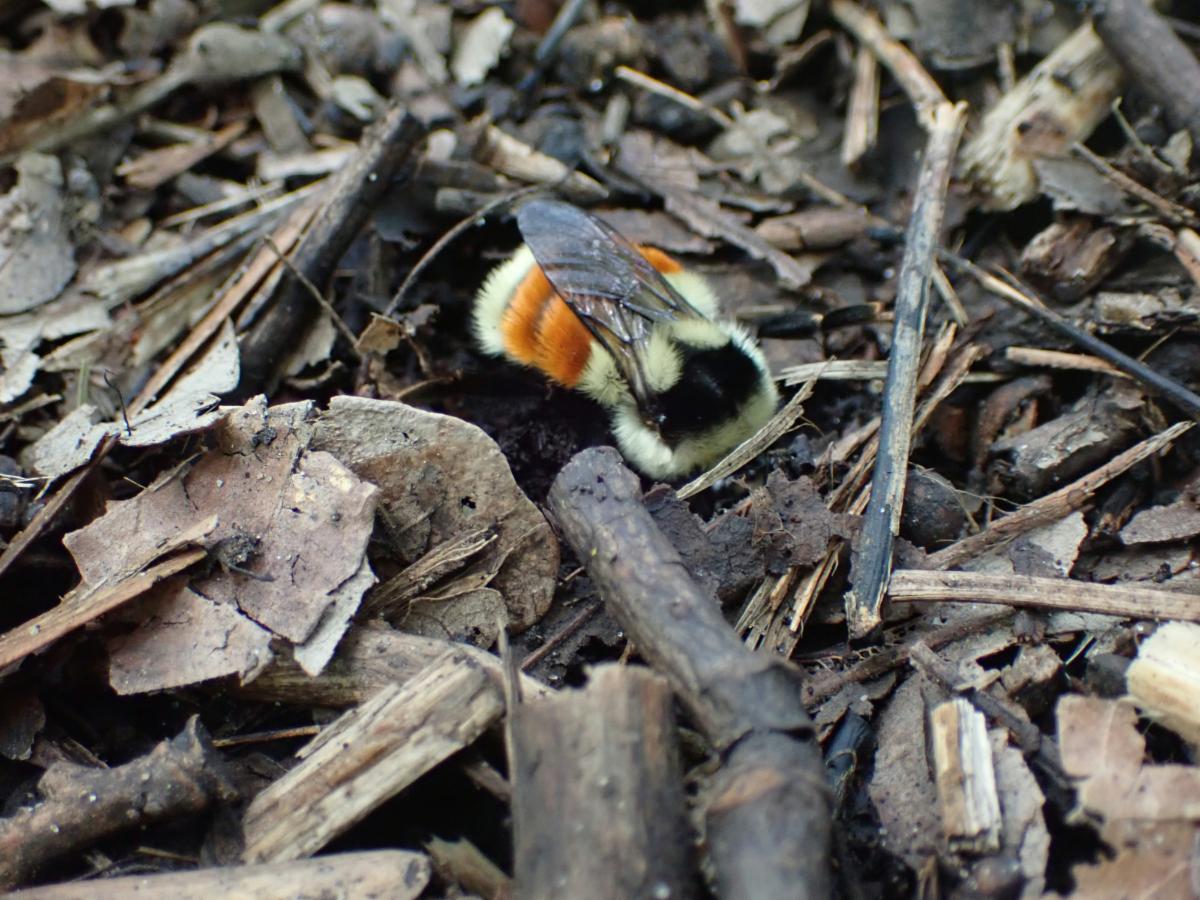
| As winter approaches, newly mated bumble bee queens are looking for a cozy spot underground to spend the winter. This is an aspect of the bumble bee life cycle that we know very little about. Where do different species spend the winter? How many survive the winter? What makes an ideal overwintering spot?
If you spot a large bumble bee digging in the soil this time of year – capture a video or snap a pic! This may be a new queen working on her overwintering spot, and your observation could shed more light on this behavior. Submit incidental sightings to Bumble Bee Watch.
Another note – one way to help overwintering insects like bumble bees is to leave the leaves! Leaves provide habitat and insulation for insects that need a winter hangout spot. |
|
Reminder – upload data by October 31!
It’s good practice to upload your data as soon as possible after surveying! Please try to get your data uploaded by the end of October to ensure that it’s included in this year’s data analysis. Check out our data upload guide for a step-by-step on uploading data. If you have any additional questions, send us a message sebumblebeeatlas@xerces.org! |
|
|
Look out for these bumble bee favorites that may be in bloom in your area:
- Broadleaf tickseed (Coreopsis latifolia)
- Blue mistflower (Conoclinium coelestinum)
- Narrowleaf sunflower (Helianthus angustifolius)
- Maryland golden aster (Chrysopsis mariana)
- Scaly blazing star (Liatris squarrosa)
|
|
| The Bumble Bee Atlas is a Xerces Society initiative in collaboration with diverse partners and funders.
The Xerces Society is a donor-supported nonprofit organization that protects our world through the conservation of invertebrates and their habitats.
Your tax-deductible donation will help grow and sustain that essential work. |
|
|
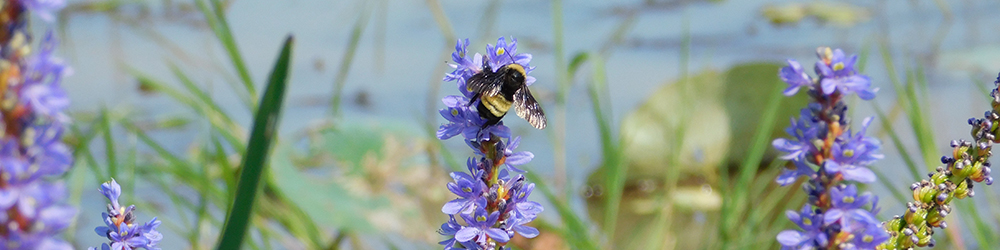
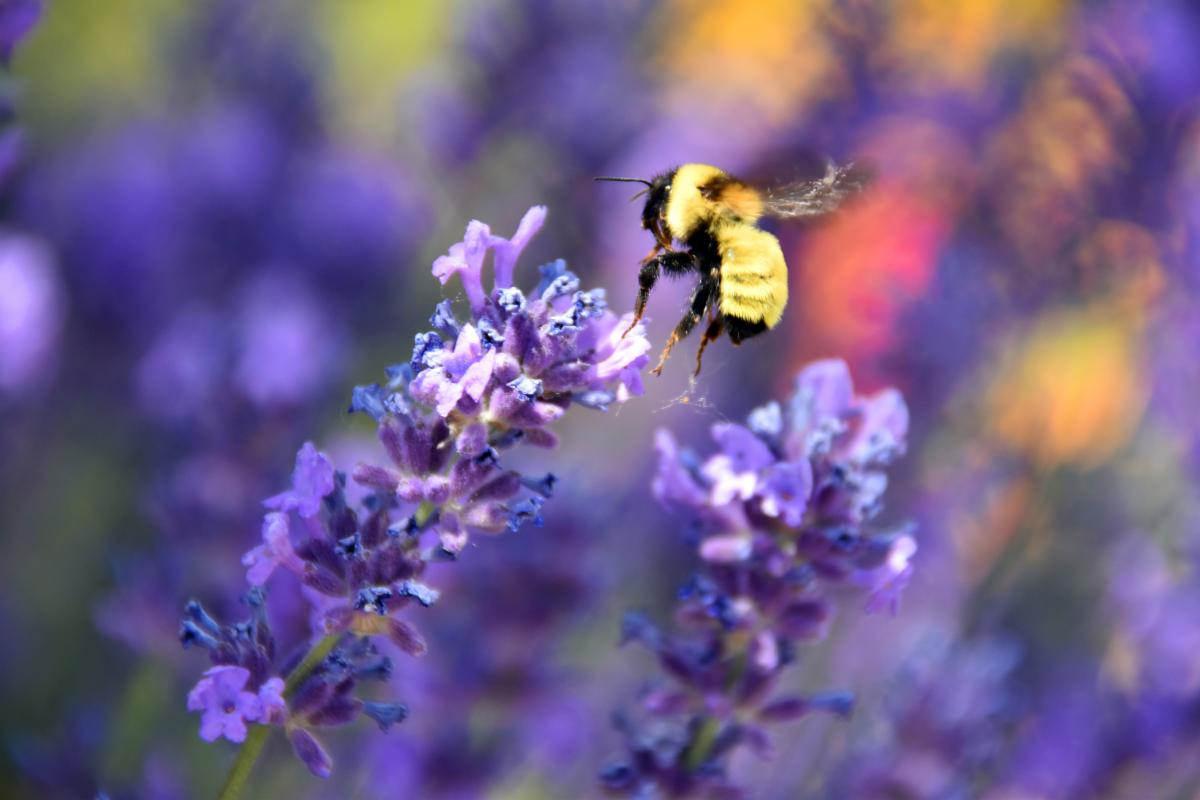
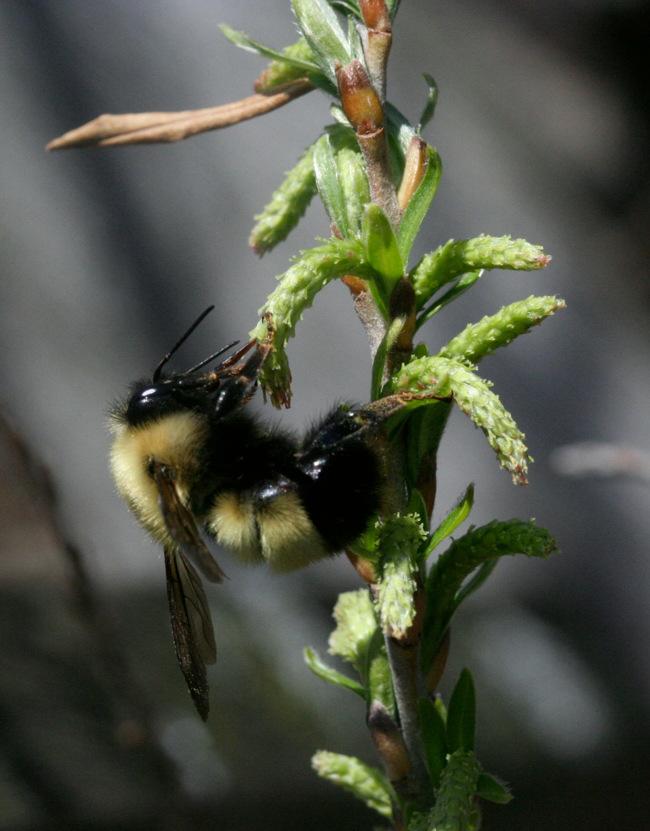
| Photo credits from top, left: Mace Vaughan/The Xerces Society; Kara Keating-Stuart; Katie Lamke/The Xerces Society; Emily May
Copyright © 2024 The Xerces Society |
|
|
|
|
|
| The Xerces Society | 628 NE Broadway, Suite 200 | Portland, OR 97232 US |
|
|
|
|











 North Carolina Small Farm Association