| Where do insects and other invertebrates go in the winter? The vast majority stay right where they spent all summer. Think twice before you rake, mow, and blow this year. Invertebrates rely on fallen leaves and other organic debris to cover and insulate them from the elements. Whatever your landscape, you can ensure that resources for nests and overwintering habitat are available. Learn more |
|
| Leave the Leaves!
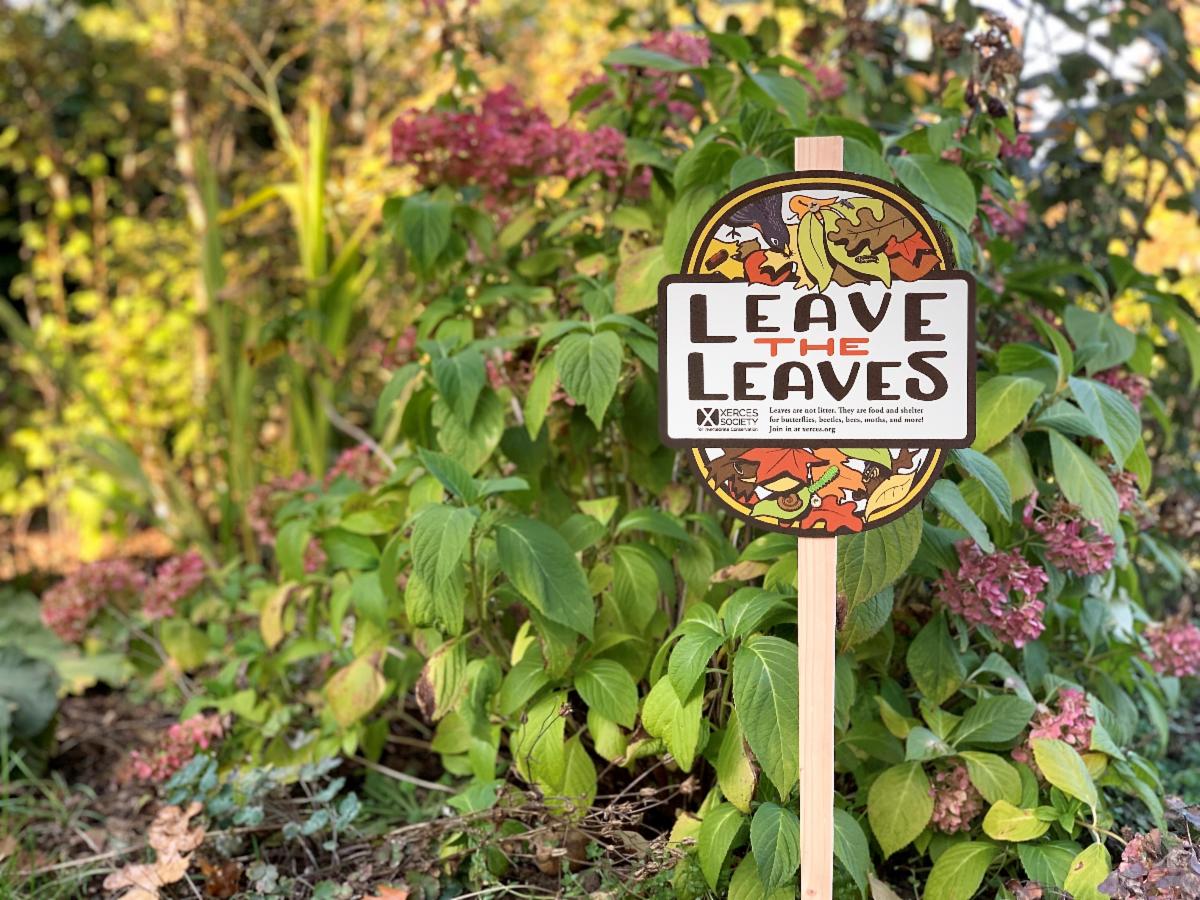
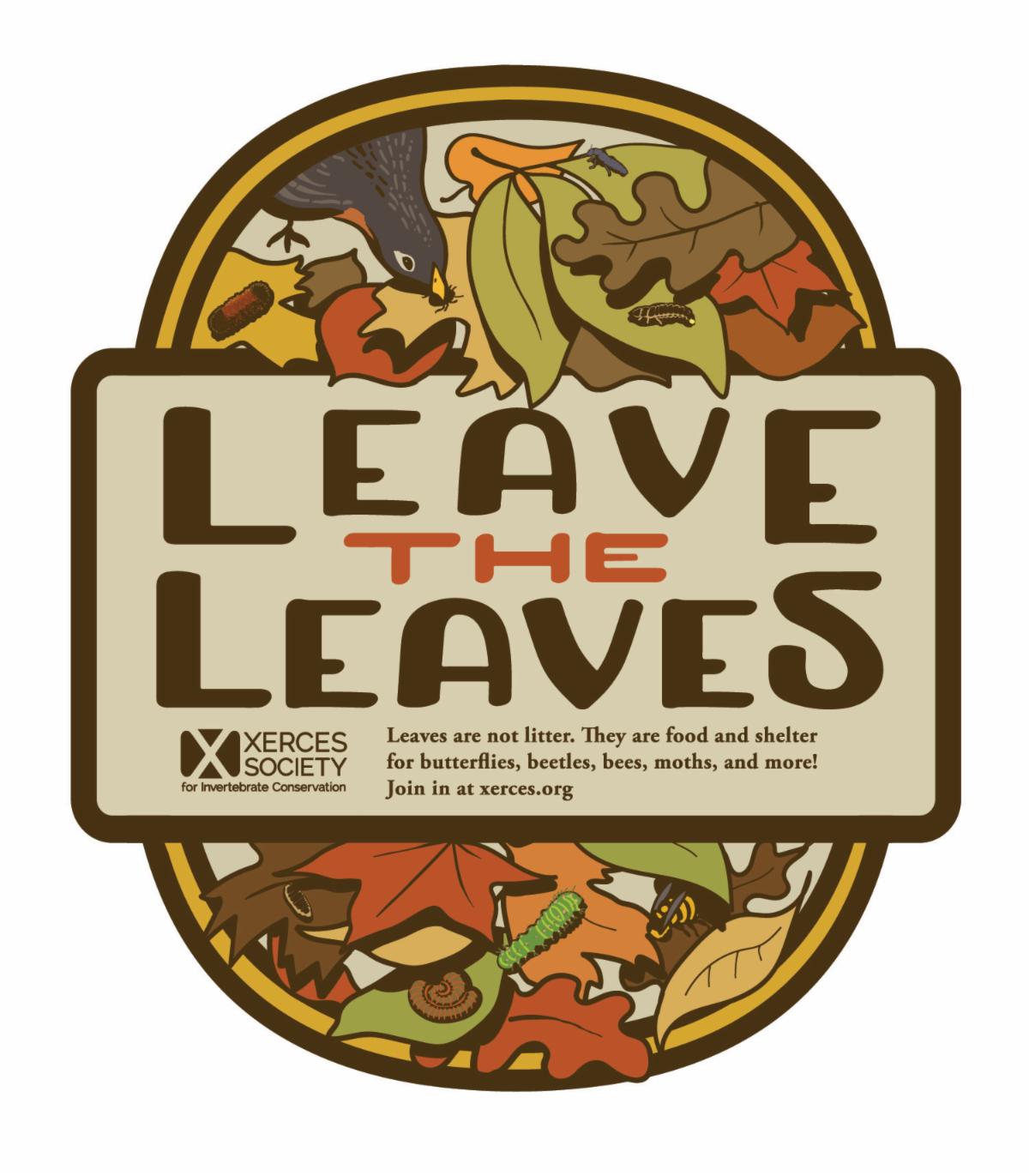
Leaves are not litter. They are food and shelter for butterflies, beetles, bees, moths, and more. Show your friends and neighbors that you plan to leave the leaves this fall with this beautiful yard sign produced by The Xerces Society. This durable 9” x 10.5” sign is designed for outdoor use and has two holes for hanging (hardware not included). Signs are available in our online gift center. Get your sign |
|
|
| Why Monarchs Need Early-Season Milkweeds
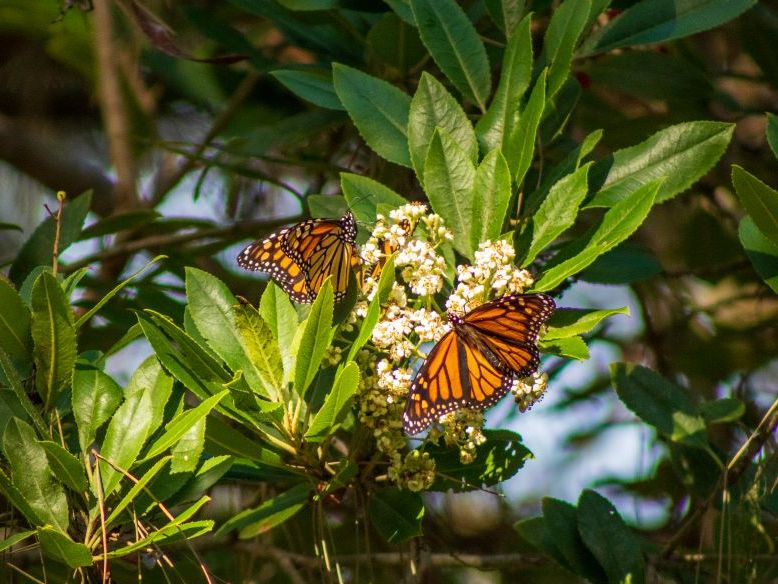
Early-season milkweed species are available to monarchs for egg laying and caterpillar feeding relatively early in the breeding season, when populations are at their smallest sizes at the end of winter. These early milkweeds are likely critical to monarch survival because they are the first suitable host for egg-laying. They are also important because overwintering monarchs may not survive long enough to breed on later-emerging species, or may have lower fecundity later in their lifecycle.
The Xerces Society and our partners have begun a 3-year project to increase the supply of pesticide-free, early-season milkweed plants available for restoration Learn more |
|
|
|
| 5 Monarch Migration Facts
Every year as it gets colder, North American monarch butterflies migrate south between August and October. A migrating monarch can travel over 100 miles in a single day. Learn more lesser-known yet fascinating facts about the annual North American monarch butterfly migration. Learn more |
|
| Xerces is a donor supported non-profit organization. Your tax-deductible donation today will help grow and sustain our essential work.
Join or Renew your membership today!
Start a fundraiser to protect invertebrates. |
|
|
Donation Mailing Address:
The Xerces Society
PO Box 97387
Washington DC, 20090-7387
If you need us, email us at membership or call us at 855-232-6639, option 2. |
|
| Banner photo: Suzanne Granahan, Xerces Society
Body photos: Isis Howard, Xerces Society
Copyright © 2023 The Xerces Society |
|
|
|
|
|





 North Carolina Small Farm Association