| Short Course Learning Objectives
a. Gain an expanded understanding of soil animal diversity, including the ability to recognize the 12 most common groups of soil macroinvertebrates and to describe their role in soil health
b. Have greater, in-depth exposure to the life cycles and ecology of soil invertebrates, including the ability to describe the basic life cycles of at least 12 invertebrate groups and their role in the food web
c. Receive training in how to recognize common groups of soil invertebrates, particularly those with agricultural importance, including the ability to describe basic invertebrate body parts and physical characteristics
d. Learn to conduct hands-on field scouting and sampling of soil animals to evaluate species diversity in agricultural settings. This training will guide them toward being able to carry out that same scouting and sampling independently after the course
e. Learn how invertebrate diversity may be used as a rough bioindicator of soil health, and learn to compare the diversity of soil animals across fields with differing management practices; be able to draw general conclusions about soil health based upon the invertebrate groups present in a soil sample
f. Understand practical, science-based conservation strategies to help increase the abundance and diversity of soil animal life
Online Short Course Agenda
(All Times are Pacific)
1. Welcome and Overview (9:00-9:20)
2. Basics of Soil and Soil Invertebrates (9:20-9:35)
3. Soil Invertebrate Profiles (9:35-10:40)
Break (10:40-11:00)
Quiz (11:00-11:10)
4. Scouting and Monitoring (11:10-11:20)
5. Management Practices & NRCS Programs (11:20-11:40)
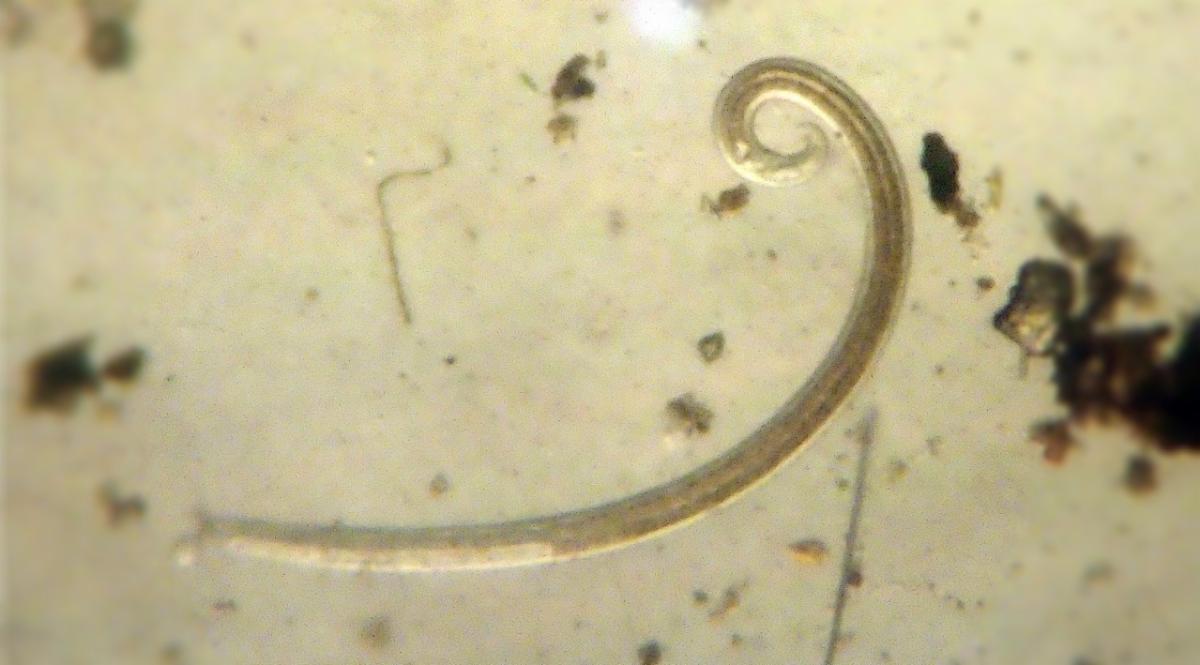
6. Howard Ferris: Roles of Nematodes in Soil Ecology and Soil Health (11:40-12:30)
7. Resources (12:30-12:40)
Q&A, Conclusion, and Evaluation (12:40-1:00) |




 North Carolina Small Farm Association