| Community science (sometimes referred to as participatory science or citizen science) is a form of research that provides everyone, regardless of their background, an opportunity to contribute meaningful data to further our scientific understanding of key issues.
By engaging community members, researchers can collect a larger amount of data and often span more geographic regions in a shorter amount of time. In turn, this data informs larger conservation efforts. It’s also a great opportunity for participants to learn more about species that interest them. It’s a win-win situation for all of us, including invertebrates! |
|
|
|
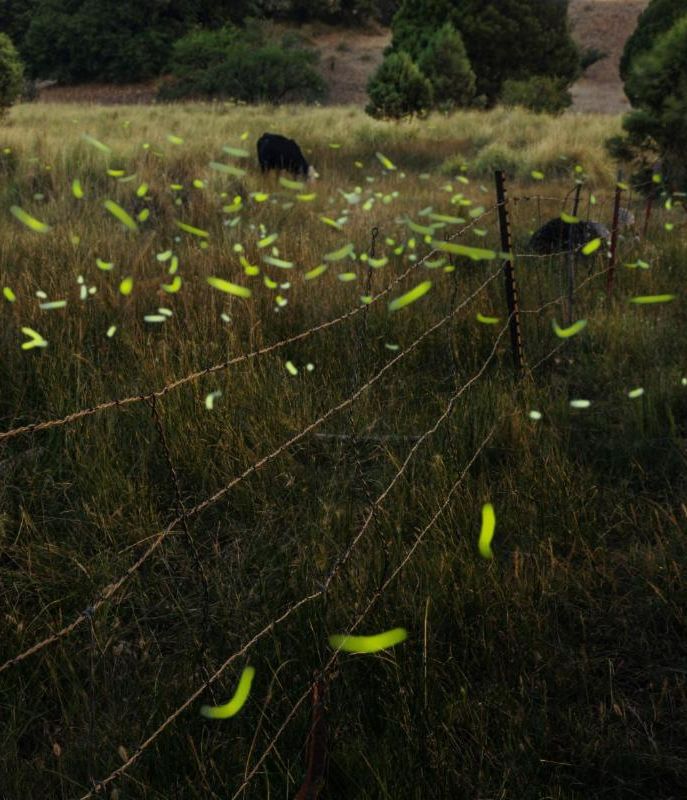
| ESA Petition for Southern Arizona’s Southwest Spring Firefly Brings Total to Four
Xerces filed a fourth and (for now) final endangered species petition for the Southwest spring firefly (Bicellonycha wickershamorum), bringing the total to four firefly petitions submitted this March. The petitions are part of a continued effort to assess and protect North American fireflies.
Everyone is invited to join Xerces’ new community science opportunity, the Firefly Atlas, to study and protect the magic of fireflies. Volunteers are especially needed in focal regions. Read more |
|
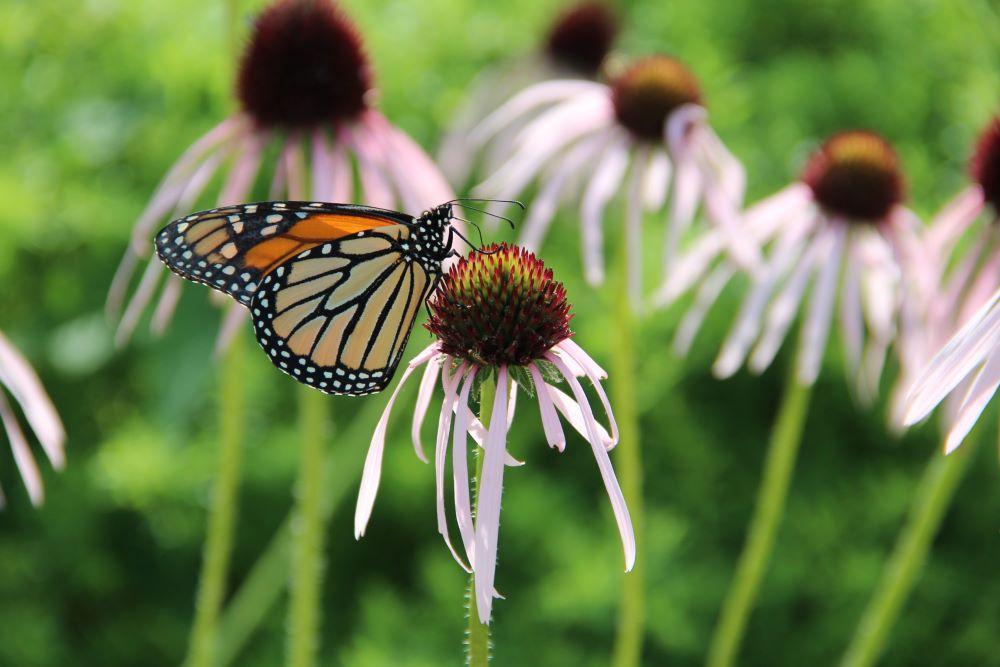
| Western Monarch
Mystery Challenge
Early spring is a critical time in the monarch annual migratory cycle. Understanding where they are going during this period helps identify critical habitat. Observations are needed through April 22, and participants can win prizes! Learn More |
|
| Even More
Community Science!
Still don’t see what you’re looking for? See all community science projects the Xerces Society collaborates on, as well as other community science efforts that we recommend. Learn More |
|
| Upcoming Events
On April 18, learn about fireflies with Candace Fallon at a special Earth Day event. On April 27, join Xerces to learn what’s currently known about the direct and indirect effects of herbicides on pollinators.
View all events |
|
| Xerces is a donor supported non-profit organization. Your tax-deductible donation today will help grow and sustain our essential work.
Join or Renew your membership today!
Start a fundraiser to protect invertebrates. |
|
|
Donation Mailing Address:
The Xerces Society
PO Box 97387
Washington DC, 20090-7387
If you need us, email us at membership or call us at 855-232-6639, option 2. |
|
| Banner photo: Jennifer Hopwood, Xerces Society
Body photo: Scott Cylwik
Copyright © 2023 The Xerces Society |
|
|
|
|
|






 North Carolina Small Farm Association