| Spring is here, a time when warmer weather naturally turns our winter-weary thoughts towards tackling outdoor chores. The first sun of the season may coax us out into the yard, but pollinators in your garden aren’t ready to take a chance on the first warm day. Taking the right steps now can set you up to boost pollinators and beat pests in your yard all season long. |
|
| For Pollinators’ Sakes, Don’t Spring into Garden Cleanup Too Soon!
Early spring garden cleanup can disrupt critical invertebrate habitat and leave pollinators out in the cold. So when can you unleash your itchy green thumbs and reach for the rake? That answer can vary based on location and annual climate trends. We’ve curated a list of questions to ask yourself to help determine when the time is right. Read More |
|
|
|
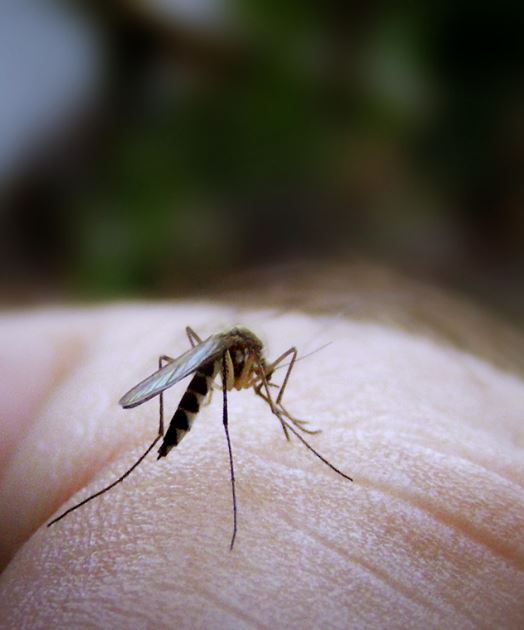
| Safer Steps to Prevent Mosquitoes
The first wave of mosquitoes is often accompanied by pest control advertisements and trucks. A well-intentioned resident or home owner simply trying not to get bitten might think these applications only kill mosquitoes, when in fact, they are toxic to the broader insect community.
We encourage you to not spray for mosquitoes. There are more effective, safer methods to control these pesky pests! Learn more |
|
| Xerces Files ESA Petitions to Protect Rare Fireflies
Following a monumental effort to assess the extinction risk of 128 North American firefly species in 2021, the Xerces Society is filling Endangered Species Act petitions to protect some of the most imperiled species.
These include the loopy five firefly (Photuris forresti), currently known from fewer than ten wetland sites in middle elevations of Tennessee, South Carolina, and Georgia; the mysterious lantern firefly (Photuris mysticalampas) on the Delmarva Peninsula of Delaware and Maryland; and the Florida intertidal firefly (Micronaspis floridana), a habitat specialist found only in the mangroves and salt marshes of coastal Florida and the Bahamas. |
|
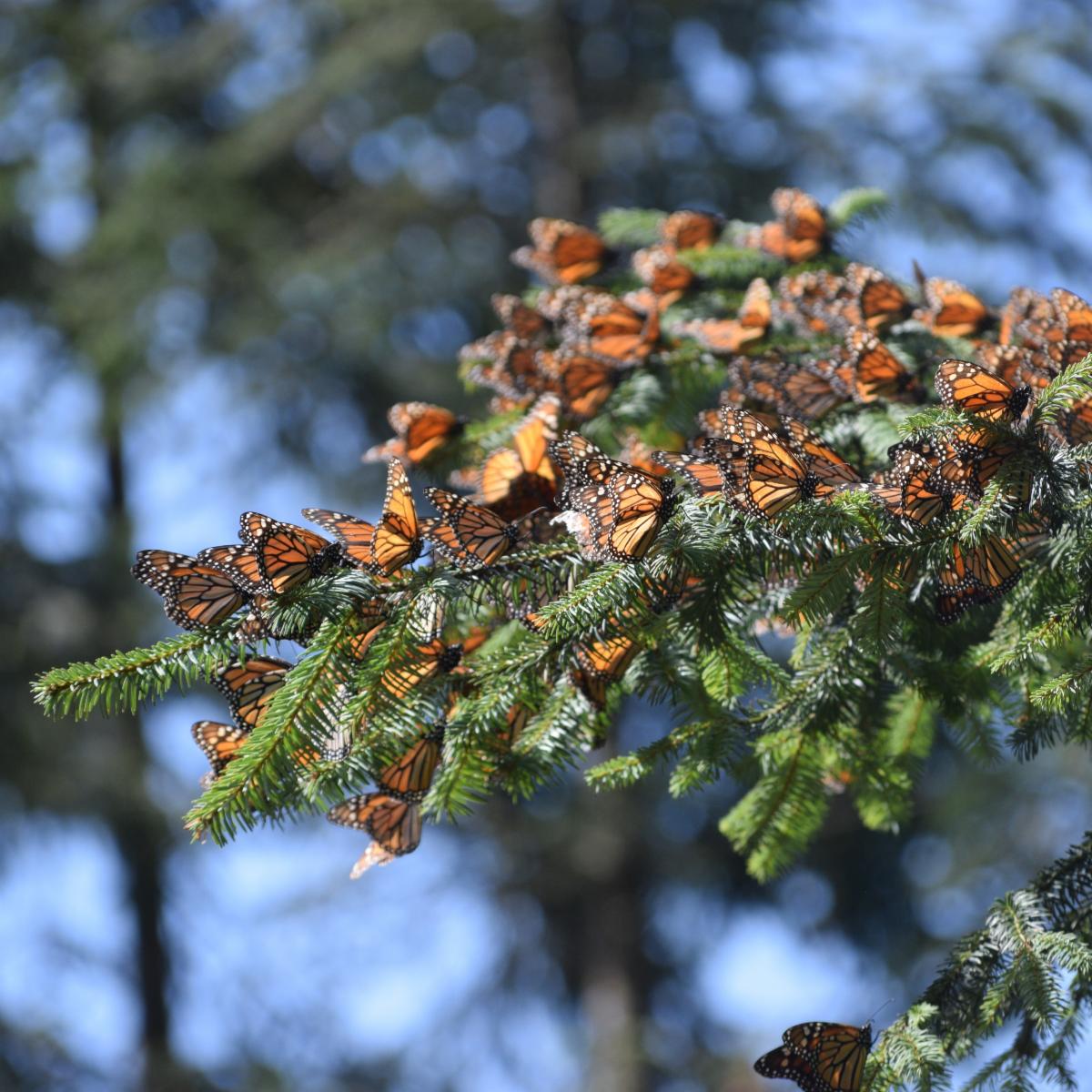
| Troubling News for Eastern Monarchs as Overwintering Area Declines
The Eastern migratory monarch butterfly is at risk: new reports show a sharp population decline and a loss of habitat in the forests where they winter each year. In just one year, the presence of monarch butterflies in their wintering grounds dropped 22%, from 7 acres to nearly 5.5 acres. This is part of a mostly downward trend over the past 25 years—when monarchs once covered more than 45 acres of forest. Read More |
|
|
| Upcoming Events
On April 27, join Xerces to learn what’s currently known about the direct and indirect effects of herbicides on pollinators. If you are hoping to brush up on your own time, check out our recorded series of past webinars.
View all events |
|
| Xerces is a donor supported non-profit organization. Your tax-deductible donation today will help grow and sustain our essential work.
Join or Renew your membership today!
Start a fundraiser to protect invertebrates. |
|
|
Donation Mailing Address:
The Xerces Society
PO Box 97387
Washington DC, 20090-7387
If you need us, email us at membership or call us at 855-232-6639, option 2. |
|
| Banner photo: Deborah Seiler, Xerces Society
Body photo: James Jordan, Flickr
Body photo: Candace Fallon, Xerces Society
Copyright © 2023 The Xerces Society |
|
|
|
|
|







 North Carolina Small Farm Association