
Having trouble viewing this email? View it as a Web page.
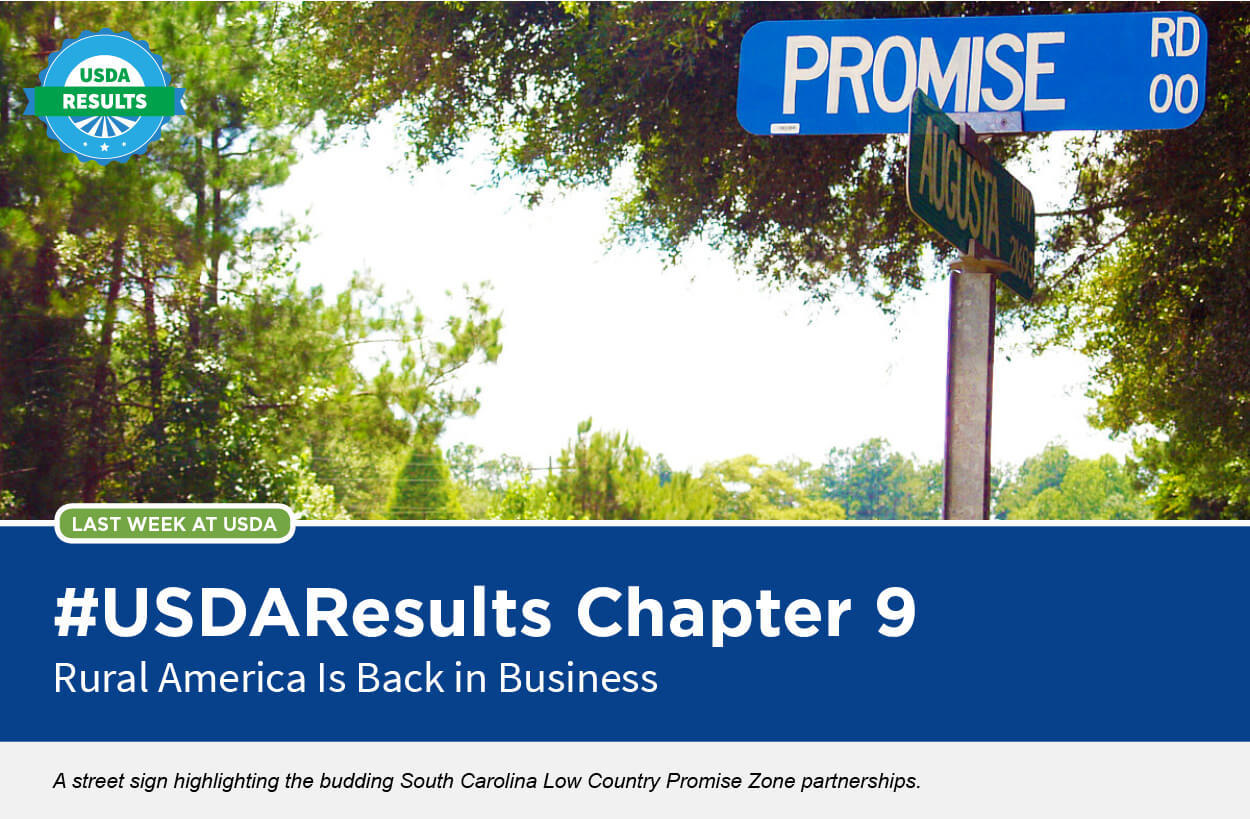
A child’s future prospects should not be determined by the ZIP code she is born in. But too often, rural areas find themselves at the short end of a long stick when it comes to basic services. Community facilities like schools, libraries, health care facilities, recreational centers and public safety facilities, are important to the people who call that area home. In rural towns in particular, they often serve as the fulcrum of the community, essential to attracting and retaining high impact businesses and young families. Since 2009, we’ve invested in more than 8,350 critical community facilities projects that help ensure even remote areas enjoy the same quality of life services enjoyed by those in urban areas. Last week, we announced a $54.6 million Community Facilities program loan to the Fulton County Health Center in Wauseon, Ohio, to renovate a hospital that offers treatment for substance misuse disorders. As part of the White House’s efforts to increase support for addressing the opioid crisis in rural areas, USDA funds will help construct a 62,220-square-foot medical office building, easing a space shortage and helping attract additional medical specialists to the area. About 80 new jobs are anticipated as a result. Close by at the Clinton County’s Wilmington College, a similar $19.7 million USDA Community Facilities loan in 2013 helped to finance the rehabilitation of Kettering Hall, home of the school’s Center for Science and Agriculture. A few short years ago, Wilmington was reeling from the loss of the region’s primary employer, which quadrupled the unemployment rate. USDA support is helping turn the tide, and today the community is making a comeback. In Red Lake, Minnesota, USDA’s Community Facilities program will provide funding to help the Red Lake Band of Chippewa Indians with infrastructure for four essential community facilities, ranging from public safety to health care and including funds to construct a new chemical dependency treatment center in wake of the rural opioid epidemic. Since 2009, USDA has significantly expanded its support for Tribes and Tribal communities, providing $3.1 billion in Rural Development programs and services. You can read about the projects in Red Lake on our website. Join us throughout the month of September as we tell the important story of eight years of significant and transformative investments across the nation that have empowered rural America to continue leading the way, strengthening America’s economy, as well as the small towns and rural communities that so many call home. Follow along on usda.gov, on the USDA blog and by using #USDAResults, or catch up on Chapter IX on our Medium site.
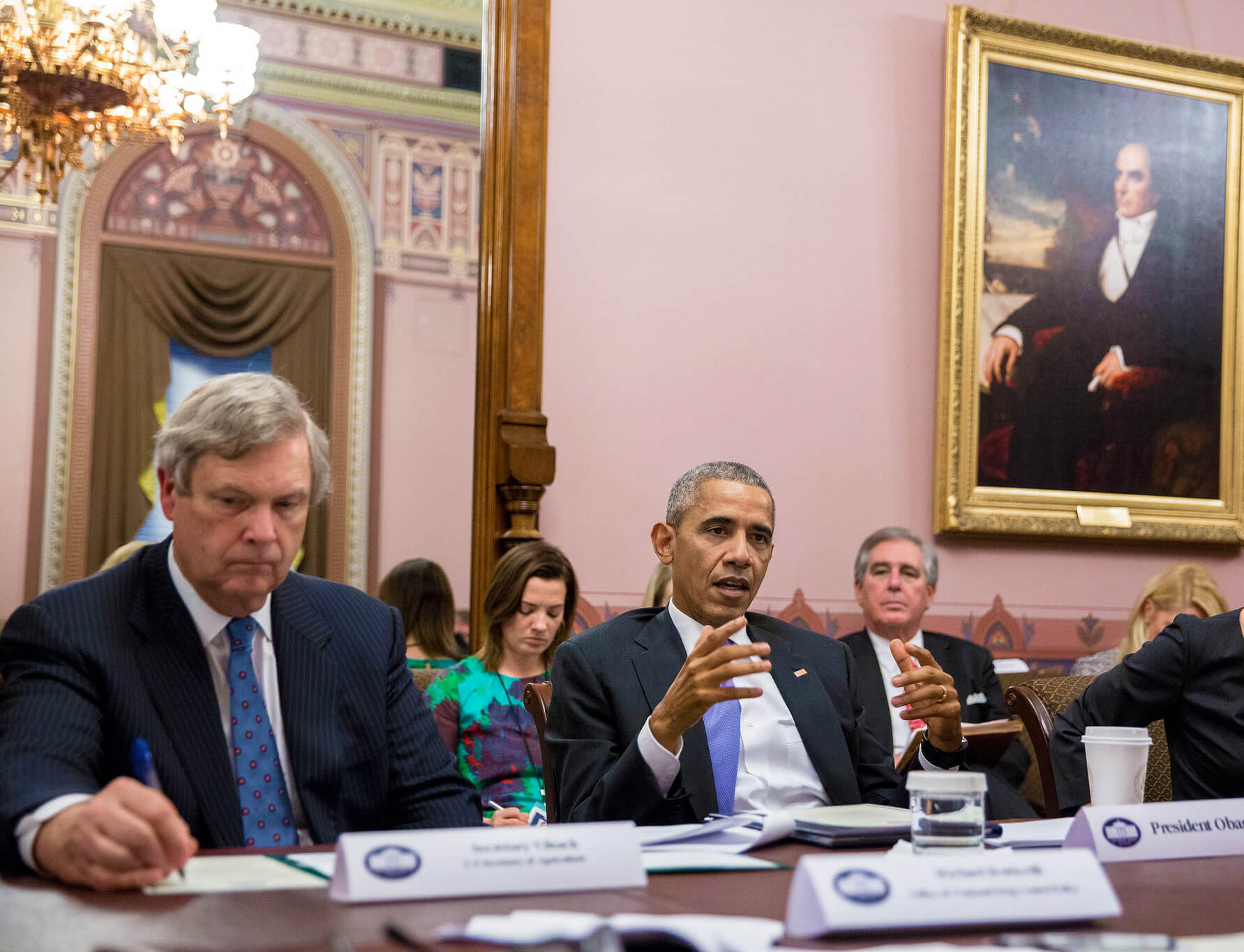
In January 2016, President Obama asked me to lead an interagency federal effort focused on the rural heroin and prescription opioid crisis. Throughout the month you can join us as we tell the important story of how eight years of significant and transformative investments across the nation have empowered rural America to continue leading the way, strengthening America’s economy, as well as the small towns and rural communities that so many call home. |


 North Carolina Small Farm Association